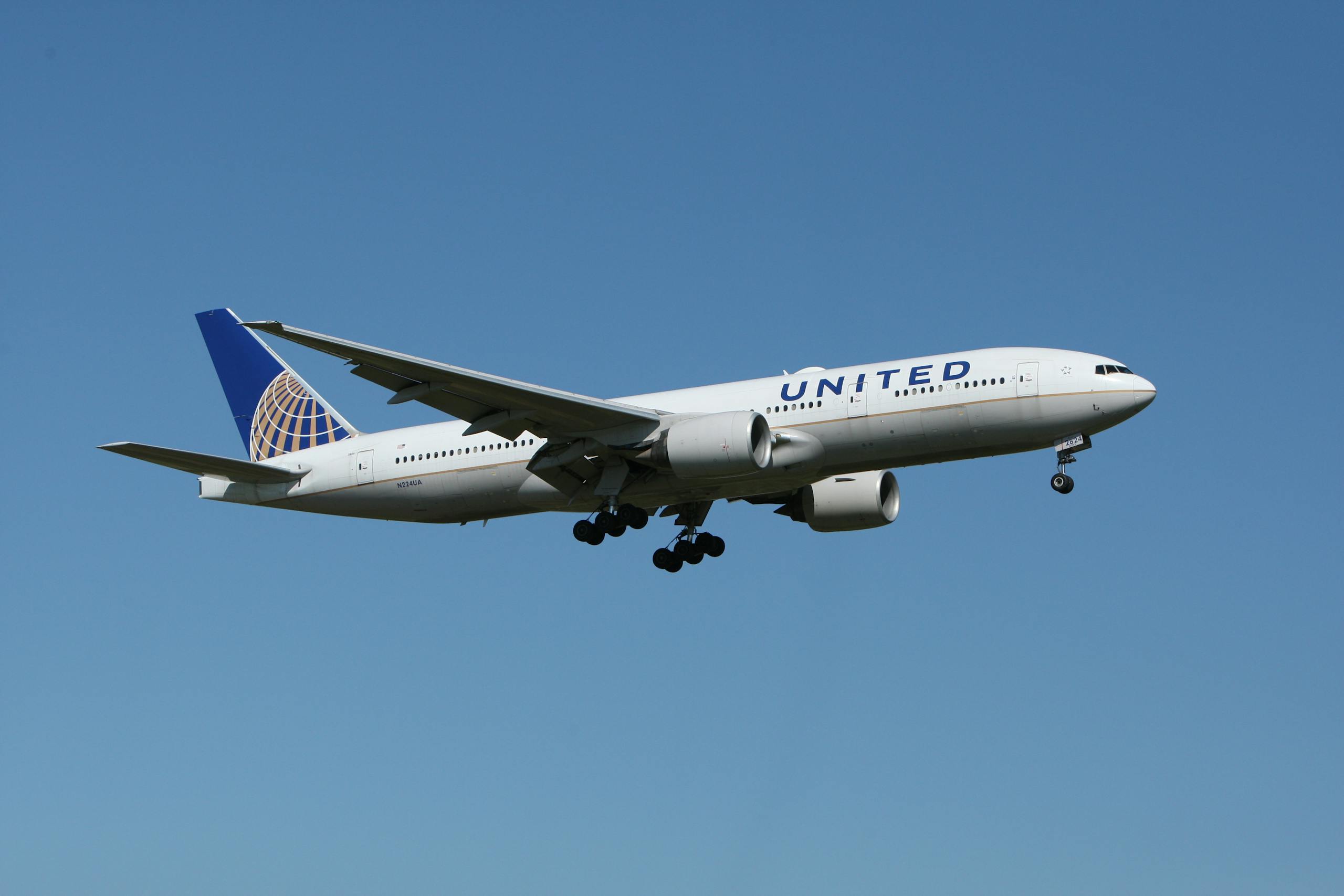
United Flight UA109 Diversion: What Happened, Why It Occurred, and What It Means for Aviation Safety
In late 2025, United Airlines Flight UA109, operating a long‑haul transatlantic service from Munich (MUC) to Washington Dulles International Airport (IAD), experienced an unexpected diversion to Dublin Airport (DUB). While flight diversions are not uncommon in aviation, the UA109 event generated interest among passengers, aviation enthusiasts, and industry analysts because of its mid‑ocean rerouting and the reasons behind that rerouting.
This article provides an in‑depth explanation of the UA109 diversion, covering the flight’s details, the circumstances that led to the diversion, broader aviation safety practices that guide such decisions, and answers to commonly asked questions.
Table of Contents
- What Is Flight UA109?
- Timeline of the UA109 Diversion
- What Caused the Diversion?
- Why Was Dublin Chosen as the Alternate Airport?
- Understanding Diversions in Commercial Aviation
- The Role of ETOPS Regulations
- How Airline Operations Handle In‑Flight Emergencies
- Impact on Passengers and Itinerary
- Comparing UA109 With Other United Airlines Diversions
- Lessons Learned and Implications for Aviation Safety
- FAQs (Frequently Asked Questions)
- Conclusion
1. What Is Flight UA109?
United Flight UA109 is a regular long‑haul passenger service operated by United Airlines, typically scheduled to fly between Munich International Airport (MUC), Germany, and Washington Dulles International Airport (IAD) in the United States. This flight is served by a Boeing 787‑8 Dreamliner — one of the airline’s modern, fuel‑efficient wide‑body aircraft designed for transatlantic operations. (Marketers Finder)
UA109 generally departs Munich in the morning and arrives in Washington later in the day, following a typical schedule of around nine hours in flight time. The aircraft’s extended long‑range capabilities make it a popular choice on this route, which crosses the North Atlantic where weather and other operational variables can require flexibility. (Star Alliance Virtual)
2. Timeline of the UA109 Diversion
Here’s a breakdown of how events unfolded on October 30, 2025, when the UA109 diversion occurred:
- 09:00 AM CET (Local Departure): The aircraft departed Munich bound for Washington Dulles with approximately 200 passengers and a full flight crew. (Marketers Finder)
- ~10:30 AM CET: About 90 minutes after takeoff and while cruising over the North Atlantic, a medical issue involving a cabin crew member was reported. (Marketers Finder)
- Decision to Divert: Because the crew member’s condition raised concerns about the ability to safely continue without a full complement of healthy attendants, the flight crew notified air traffic control and elected to return to Europe. (Marketers Finder)
- ~15:00 GMT: The aircraft made an unscheduled landing at Dublin Airport in Ireland. (Travel And Tour World)
- ~16:15 GMT: After medical assessment and clearance, the flight resumed its journey toward Washington. (Travel And Tour World)
- ~18:30 EDT: UA109 landed at Washington Dulles with a delay of roughly two hours relative to its scheduled arrival time. (Travel And Tour World)
3. What Caused the Diversion?
The official reason for diverting UA109 was a medical issue involving a cabin crew member — specifically significant discomfort caused by a blister, which affected their ability to perform essential duties. (Marketers Finder)
At first glance, a blister might sound minor. However, airline safety standards demand that flight crews remain fit for duty throughout the entire trip. Crew incapacitation — even if not life‑threatening — can compromise operational safety if staffing levels fall below regulatory requirements or if remaining crew are unable to fulfill all safety responsibilities effectively.
Because UA109 was operating over the North Atlantic — a region with vast stretches of ocean and limited options for immediate landing — the flight crew and airline operations determined that the safest course was to divert to the nearest suitable airport where medical support was readily available. (Marketers Finder)
4. Why Was Dublin Chosen as the Alternate Airport?
Dublin Airport (DUB) is one of the most frequented diversion points for transatlantic flights, especially those flying between Europe and North America. Several factors make Dublin a logical choice:
Strategic Location
Dublin lies well within reach of typical North Atlantic flight paths. For aircraft en route from central Europe to the U.S. East Coast, Dublin is often one of the closest diversion points after departure. (Travel And Tour World)
ETOPS‑Certified Alternate
Because UA109 uses a twin‑engine Boeing 787 Dreamliner, the route planning follows ETOPS (Extended Twin‑Engine Operations) rules, which require adequate access to suitable airports at all times during the flight. Dublin routinely serves as an ETOPS alternate capable of handling diversions for medical and technical reasons. (Travel And Tour World)
Medical and Ground Support
Dublin Airport has robust medical facilities and well‑trained response teams capable of assisting with onboard health issues, making it an ideal choice when crew or passenger health concerns arise. (Travel And Tour World)
5. Understanding Diversions in Commercial Aviation
Flight diversions are not signs of failure or catastrophic systems issues. Rather, they are part of aviation safety protocols designed to adapt to changing conditions while prioritizing human life and regulatory compliance.
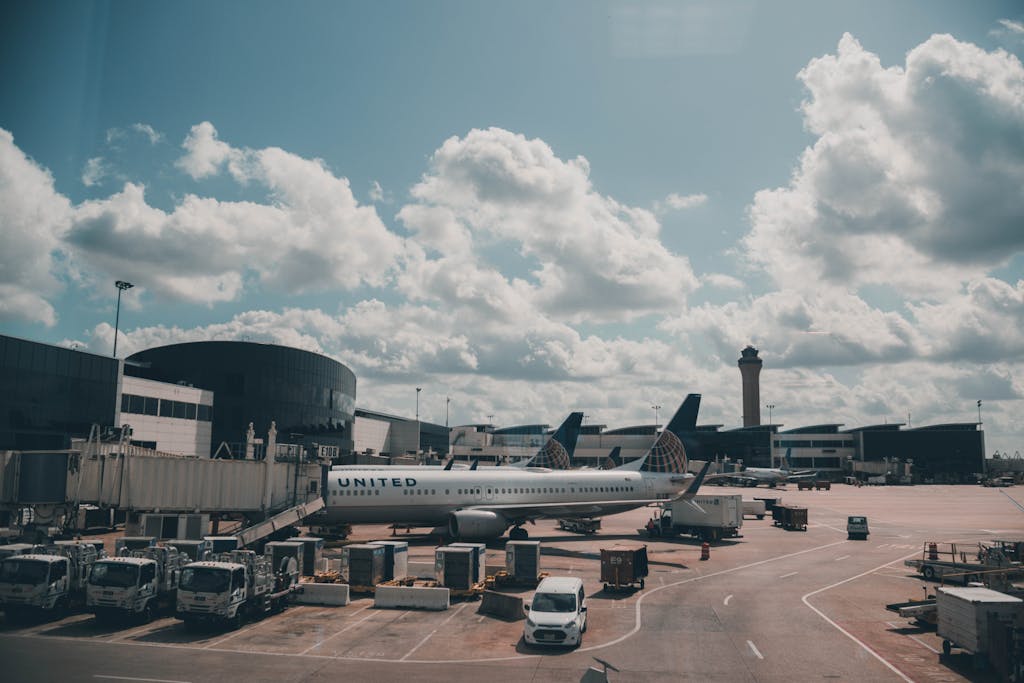
Diversions can be triggered by:
- Medical Emergencies (crew or passenger)
- Mechanical or Technical Issues
- Weather Conditions Affecting Safety
- Security Threats or Unruly Behavior
- Air Traffic Control Restrictions
In the case of UA109, the diversion resulted from a medical concern that might have affected the operation of the flight if not addressed promptly. This is consistent with aviation practice; crew health is as vital as passenger health when it comes to long‑haul flight safety. (VnExpress International)
6. The Role of ETOPS Regulations
ETOPS is a set of regulatory requirements that govern how twin‑engine aircraft operate on routes where a diversion to an alternate airport might take more time than standard overland flights. These rules ensure that:
- Sufficient fuel is available to fly to an alternate.
- Alternate airports are technically capable of handling the aircraft type.
- Aircraft systems and crews are prepared for emergency diversions.
For flights like UA109 — crossing vast oceanic expanses — ETOPS planning plays a key role in ensuring safety. Airports such as Dublin, located along common transatlantic corridors, are frequently designated as ETOPS alternates. This enables flights to quickly divert in event of emergencies, whether mechanical or medical. (Travel And Tour World)
7. How Airline Operations Handle In‑Flight Emergencies
Every diversion, including UA109’s, reflects a carefully coordinated set of decisions:
Monitoring and Reporting
Flight crews constantly monitor cabin conditions, crew and passenger health, and aircraft performance. Any issues — even those that seem minor — are evaluated against safety requirements.
Pilot Decision Authority
The captain has the ultimate authority to divert a flight if circumstances compromise safe operation. In the UA109 case, the captain determined that the cabin crew member’s condition necessitated seeking medical attention. (Marketers Finder)
Coordination With ATC
Once the decision to divert is made, coordination with air traffic control (ATC) ensures safe rerouting, landing permissions, and appropriate ground services at the diversion airport.
Medical Evaluation on the Ground
After landing, aviation medical personnel can assess the affected individual and advise on clearance to continue. Once cleared, the flight can resume its journey. UA109 resumed its flight same day after ground assessment. (Travel And Tour World)
8. Impact on Passengers and Itinerary
Passengers on UA109 experienced a delay of approximately two hours due to the diversion. While inconvenience is unavoidable, airline operations prioritized safety and timely continuation of the journey. (Travel And Tour World)
Most diversions involve quick turnarounds, provided that the airport and ground services are efficiently coordinated. In UA109’s situation, passengers remained onboard for the Dublin stop, and the flight continued once clearance was received. (Travel And Tour World)
9. Comparing UA109 With Other United Airlines Diversions
United and other large carriers frequently operate long‑haul flights that sometimes require diversions. Here are some examples:
- A United flight to Singapore was diverted to Manila after a passenger collapsed due to a medical emergency. (VnExpress International)
- Other long‑haul flights have made unscheduled stops due to technical issues, mechanical concerns, or crew health issues — all underscoring that diversions are standard safety tools rather than extraordinary incidents. (AIRLIVE)
These comparisons show that while the specific causes and outcomes differ, the underlying safety imperatives remain consistent across the industry.
10. Lessons Learned and Implications for Aviation Safety
The UA109 diversion highlights several broader points about modern air travel:
Safety Comes First
Diversion decisions — whether for crew health or aircraft performance — place passenger and crew safety above schedules. This has become an accepted principle in global aviation regulation.
Effective Contingency Planning
Thanks to improved ETOPS planning and robust infrastructure at alternate airports like Dublin, flights can be rerouted with minimal disruption and maximum safety.
Improved Crew Health Protocols
Paying attention to crew health — not only passenger health — prevents more serious situations from developing mid‑flight.
Frequently Asked Questions (FAQs)
Q1: Why did United Flight UA109 divert?
A1: UA109 was diverted due to a medical issue involving a cabin crew member, which could have compromised the flight’s safety if the issue worsened during the long transatlantic segment. (Marketers Finder)
Q2: Where did the flight land?
A2: The aircraft safely landed at Dublin Airport (DUB) in Ireland. (Travel And Tour World)
Q3: Was it a technical problem with the plane?
A3: No; the diversion was due to a health concern affecting cabin crew, not a mechanical or technical issue. (Marketers Finder)
Q4: Did everyone on board remain safe?
A4: Yes. There were no reported injuries, and all passengers continued their journey after a brief delay. (Travel And Tour World)
Q5: How long was the delay?
A5: The delay was estimated at about two hours relative to the original schedule. (Travel And Tour World)
Q6: Are diversions like this common?
A6: Diversions are uncommon in mainstream reporting but not rare within the industry. They are standard safety procedures for unforeseen in‑flight events like medical emergencies or technical issues. (VnExpress International)
Conclusion
The United Flight UA109 diversion serves as a clear example of how modern aviation prioritizes safety and preparedness over maintaining precise schedules. Although a medical issue involving a crew member might seem unusual as a cause for diversion, such decisions ensure that airline operations remain aligned with regulatory requirements and best practices for protecting lives.
From the flight’s unscheduled landing in Dublin to its timely continuation to Washington Dulles, the UA109 event demonstrates the robustness of global flight planning, the flexibility of ETOPS procedures, and the professionalism of flight crews and aviation support teams. While delays and reroutes can inconvenience passengers, the safety system in aviation ensures that such events are handled efficiently and with minimal risk.
ALSO READ MORE JoinMyQuiz: The Complete Guide to Interactive Learning, Engagement, and Fun 2026