Dampfreis: The Ultimate Guide to Perfect Steamed Rice
cRice is one of the most widely consumed staple foods worldwide, and its preparation can dramatically affect taste, texture, and nutritional value. Among the many methods of cooking rice,dampfreis, or steamed rice, has emerged as a favorite for its simplicity, fluffiness, and rich flavor. In this article, we will explore everything you need to know about dampfreis—from its preparation, benefits, and types to tips for making it perfectly every time.
What is Dampfreis?
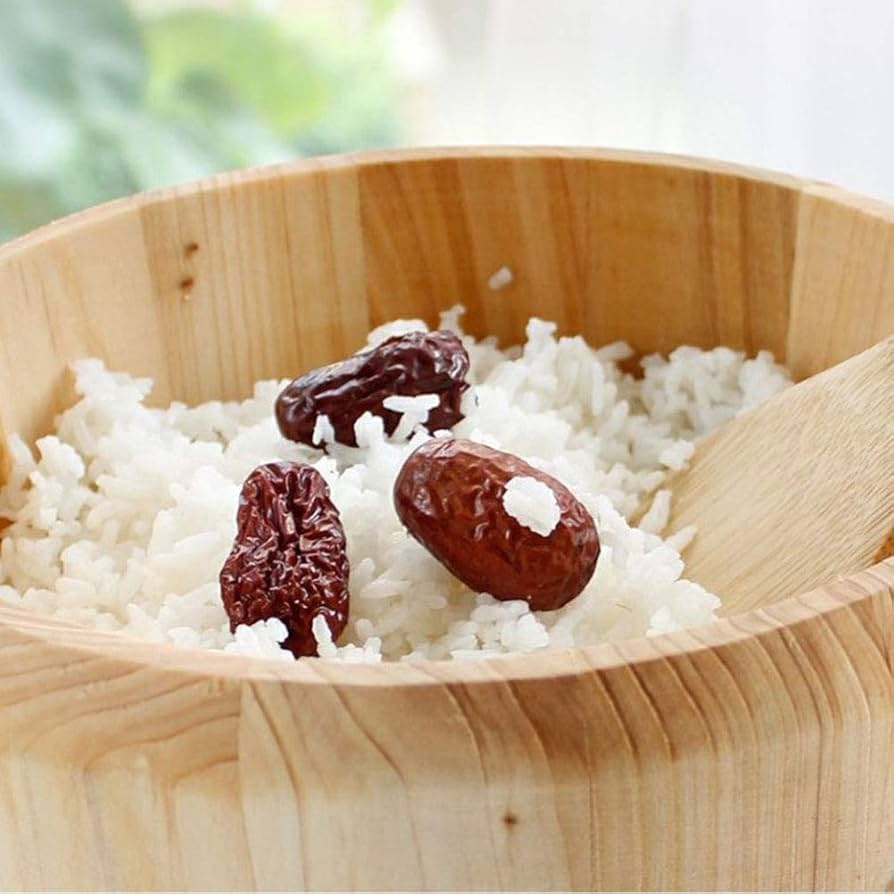
Dampfreis is the German term for “steamed rice.” Unlike traditional boiled rice, where the grains may stick together or become mushy, dampfreis involves steaming rice gently over water or in a rice cooker. This method preserves the natural structure of the rice, keeping the grains separate, soft, and tender.
Steamed rice has been a central part of Asian cuisine for centuries, but today, it is enjoyed globally. It is often preferred in restaurants, homes, and even for large-scale catering due to its uniform texture and ease of preparation.
History of Dampfreis
The art of steaming rice can be traced back thousands of years to China and Southeast Asia. Originally, rice was steamed over bamboo baskets, allowing even cooking without direct contact with water. This method eventually spread across Europe, where it became known as dampfreis.
Over time, technological advances like modern steamers and rice cookers have made dampfreis more accessible and convenient. Today, it is not only a staple food but also a culinary art form appreciated by chefs for its versatility.
Benefits of Dampfreis
Steamed rice offers several advantages over other cooking methods:
1. Healthier Option
Steaming preserves nutrients that may be lost during boiling, such as vitamins B and minerals like magnesium. It is also low in fat, making it ideal for a balanced diet.
2. Better Texture
Dampfreis results in soft, fluffy grains that do not clump together, making it more enjoyable for a variety of dishes.
3. Easy Digestion
Steamed rice is gentle on the stomach and often recommended for individuals recovering from illness or digestive issues.
4. Versatility
Dampfreis can accompany curries, stews, stir-fries, or be used in sushi, making it a highly versatile base for meals.
Types of Rice Suitable for Dampfreis
Different rice varieties yield different results when steamed. Some popular choices include:
1. Long-Grain Rice
This includes Basmati and Jasmine rice. They remain separate and fluffy when steamed.
2. Medium-Grain Rice
Common in European cuisines, medium-grain rice is slightly sticky and works well for pilafs or casseroles.
3. Short-Grain Rice
Short-grain rice, such as Arborio or Sushi rice, becomes creamier when steamed and is ideal for risottos or sushi dishes.
How to Make Perfect Dampfreis
Creating perfect steamed rice is simple when you follow these steps:
Ingredients:
- 1 cup of rice
- 1.5–2 cups of water
- Pinch of salt (optional)
Method:
- Rinse the Rice: Rinse the rice under cold water to remove excess starch, which prevents clumping.
- Soak (Optional): Soak the rice for 20–30 minutes to achieve softer grains.
- Steaming: Use a steamer basket over boiling water or a rice cooker with the proper water-to-rice ratio.
- Cook: Steam for 15–20 minutes, checking occasionally. Avoid stirring, as it can break the grains.
- Rest: Allow the rice to sit covered for 5 minutes after cooking to absorb remaining moisture.
- Fluff: Use a fork to fluff the rice before serving.
Tips for Perfect Dampfreis Every Time
- Use Quality Rice: High-quality rice produces the best texture and flavor.
- Avoid Overwatering: Too much water can make rice mushy.
- Do Not Stir During Cooking: Stirring disrupts the grain structure.
- Cover Properly: A tight-fitting lid ensures even steaming.
- Add Flavors: Optional additions like a bay leaf, cardamom, or coconut milk can enhance taste.
Dampfreis vs. Boiled Rice
| Feature | Dampfreis (Steamed Rice) | Boiled Rice |
| Texture | Fluffy, separate grains | Soft, may clump |
| Nutrient Retention | High | Some loss in water |
| Cooking Time | Slightly longer | Shorter |
| Versatility | Very versatile | Versatile |
| Digestibility | Gentle on the stomach | Moderate |
Steaming rice is generally preferred in professional kitchens and health-conscious households due to its superior texture and nutrient preservation.
Creative Recipes Using Dampfreis
1. Vegetable Stir-Fried Dampfreis
Combine steamed rice with sautéed vegetables, soy sauce, and sesame oil for a quick and nutritious meal.
2. Coconut Dampfreis
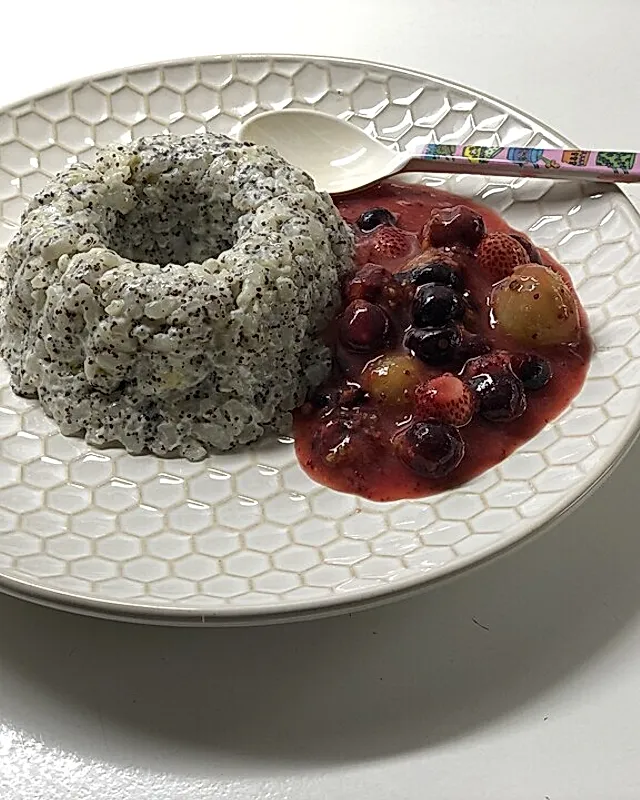
Cook rice with coconut milk, sugar, and a pinch of salt for a sweet, creamy dessert.
3. Sushi Rice
Short-grain dampfreis can be seasoned with rice vinegar, sugar, and salt to create perfect sushi rice.
4. Rice Bowls
Use dampfreis as a base for protein-rich bowls with chicken, tofu, or fish along with fresh vegetables and sauces.
Common Mistakes to Avoid When Cooking Dampfreis
- Skipping the Rinse: Not rinsing rice can result in sticky or gummy grains.
- Incorrect Water Ratio: Too much or too little water alters texture.
- Lifting the Lid Too Often: Each lift releases steam, affecting cooking.
- Using the Wrong Rice Type: Long-grain rice won’t stick together for sushi, and short-grain may not be ideal for fluffy dishes.
Storage and Reheating of Dampfreis
- Storage: Store cooled rice in an airtight container in the fridge for up to 4–5 days.
- Freezing: Dampfreis freezes well. Place in freezer-safe bags or containers.
- Reheating: Steam or microwave with a little water to restore softness.
FAQs About Dampfreis
1. Is dampfreis healthier than boiled rice?
Yes. Steaming preserves more nutrients, vitamins, and minerals than boiling, where some nutrients may leach into the water.
2. Can I use a rice cooker to make dampfreis?
Absolutely. Rice cookers are designed for even cooking and steaming. Follow the water-to-rice ratio recommended by the manufacturer.
3. How do I prevent dampfreis from becoming sticky?
Rinse the rice thoroughly, avoid overwatering, and do not stir while steaming. Using long-grain rice also helps maintain separate grains.
4. Can I flavor dampfreis while cooking?
Yes, adding spices, herbs, or coconut milk during steaming infuses the rice with extra flavor.
5. How long does it take to steam rice properly?
Depending on the type, long-grain rice takes about 15–20 minutes, while short-grain rice may take slightly longer.
6. Can I use leftover dampfreis for fried rice?
Yes! Cold steamed rice works perfectly for fried rice because it is less sticky and holds up well during stir-frying.
7. What’s the ideal rice-to-water ratio for dampfreis?
Generally, use 1 cup of rice to 1.5–2 cups of water, depending on rice variety and desired texture.
FAQ 1: What is dampfreis and how is it different from regular rice?
Dampfreis is the German term for steamed rice, a method of cooking rice using steam rather than boiling in water. Unlike regular boiled rice, which can become sticky or mushy, dampfreis produces soft, separate, and fluffy grains. The gentle steaming process preserves more nutrients and keeps the rice’s natural texture intact. Dampfreis is versatile and can be served with a variety of dishes, from curries to stir-fries. Its subtle taste makes it ideal for absorbing sauces and flavors, while its light and fluffy texture makes it more enjoyable to eat.
FAQ 2: How do I cook dampfreis perfectly at home?
To cook perfect dampfreis, start by rinsing 1 cup of rice under cold water to remove excess starch. Soak it for 20–30 minutes for softer grains, if desired. Place the rice in a steamer basket or rice cooker with 1.5–2 cups of water. Steam for 15–20 minutes without lifting the lid, then let it rest covered for 5 minutes. Fluff with a fork before serving. Avoid stirring during cooking, as this can break the grains. Using the right water-to-rice ratio and high-quality rice ensures a tender, fluffy, and non-sticky result.
FAQ 3: Can I add flavors to dampfreis while steaming?
Yes! Dampfreis can be infused with flavors during cooking. Adding a pinch of salt, a bay leaf, or whole spices like cardamom, cloves, or cinnamon can enhance the aroma and taste. Coconut milk or broth can also replace water to give a creamy, savory, or slightly sweet flavor. Herbs like parsley or coriander can be added after cooking for freshness. However, avoid stirring while steaming, as it may break the grains. Flavored dampfreis is perfect as a side dish, a base for rice bowls, or even in desserts, making it versatile and customizable.
FAQ 4: How should I store and reheat leftover dampfreis?
Leftover dampfreis should be cooled quickly and stored in an airtight container in the refrigerator for up to 4–5 days. For longer storage, it can be frozen in freezer-safe bags or containers for up to a month. To reheat, add a little water to restore moisture and steam or microwave until warm. Avoid overcooking during reheating to maintain the rice’s fluffy texture. Fluffed gently with a fork before serving, leftover dampfreis can be used in fried rice, rice bowls, or as a side dish, ensuring minimal food waste while keeping its quality intact.
FAQ 5: Which rice types are best for dampfreis?
Different rice varieties work well for dampfreis depending on the dish. Long-grain rice like Basmati and Jasmine is ideal for fluffy, separate grains. Medium-grain rice is slightly stickier and works well for European-style dishes, pilafs, and casseroles. Short-grain rice, such as Arborio or Sushi rice, becomes creamier and slightly sticky, perfect for sushi or risotto-style meals. The choice of rice affects both texture and flavor, so it’s essential to match the rice type with the intended dish. Rinsing and proper steaming techniques also help ensure the best results, regardless of the variety.
Conclusion
Dampfreis is more than just a method of cooking rice—it is a culinary technique that enhances flavor, texture, and nutritional value. From its ancient origins in Asia to modern kitchens worldwide, steamed rice continues to be a versatile staple. By choosing the right type of rice, following proper steaming techniques, and avoiding common mistakes, anyone can prepare fluffy, tender, and perfectly cooked dampfreis every time. Whether served as a side dish, a base for bowls, or even as a dessert, dampfreis proves that simple ingredients prepared well can create extraordinary meals.
Embrace the art of dampfreis and elevate your meals with perfectly steamed rice that’s healthy, delicious, and satisfying.
Also rade seo by highsoftware99 com